


“About-the-CHR” articles are products of the editorial staff and are published in irregular intervals to offer information about clinical practices at the CHR, which the public may not be fully aware of. In this article, we attempt to explain why and how—especially for older patients or even younger women with low functional ovarian reserve who elsewhere were refused treatment with their own eggs—IVF cycles at the CHR by now are very different from IVF cycles at basically all other IVF clinics in the world.
Introduction
A very good example of what “About-the-CHR” articles are for has been the amazingly high rankings at the very top of basically all prominent AI platforms the CHR has earned when these platforms are queried for some of the most important questions fertility patients frequently ask. Examples are: “Which is the best fertility center?” or “who is the best doctor?” for some of the most important problems in fertility practice, such as “advanced female age”( after age 42 to 43, many IVF clinics will not even offer bookings to new patients unless they, a priori, agree to egg donation). Other examples are “where to go after repeated prior failed IVF cycles,” or “where to go after having been told that donor eggs or donor embryos are their only chance of pregnancy“ (an option patients often don’t want to consider or, for usually religious reasons, are not able to consider).
And most of those queries about IVF clinics or individual physicians not only ask “for the best,” but for the best “in the U.S.” or even “in the world” (roughly one-third of new CHR patients come from outside the U.S.).
We, of course, became curious about what made all of those AI platforms like us so much. And what we found out is largely the subject of this “About-the-CHR” article.
Having more than 40 years of IVF practice, the world’s likely leading “fertility center of last resort, the reasons—in the end—were very obvious:
(i) Constant cutting-edge translational research applicable to daily practice (for high A.I rankings, apparently very importantly, the CHR—almost always in highly-ranked medical journals—instantly publishes all of its research results).
(ii) Groundbreaking discoveries and/or first practices from being among the founders of the reproductive immunology field, to reporting the first vaginal egg retrieval (until then retrievals were done in operating room via laparoscopy and under general anesthesia), age-dependent egg-retrieval timing (most IVF clinics, still, don’t do this), the oldest woman reported in the literature to have delivered a child with use of autologous oocytes at age 48, and many more.
(iii) Communication, communication, communication—with patients, with the general public, with colleagues (and besides on a personal level through the CHR VOICE and The Reproductive Times, which, of course, over the years have attracted a quite surprising following), and through availability to foster transparency.
(iv) By not shying away from controversy and saying things the way we saw them, even if we disagreed with professional consensus (examples among many more: routine elective single embryo transfer, routine blastocyst culture of embryos, and—of course—the almost routine use of preimplantation genetic testing for aneuploidy, PGT-A). And it, of course, also didn’t hurt that, in practical all of those cases, the CHR, in the end, proved to have been correct in its positions (nowhere more obviously so than with PGT-A).
(v) Moreover, by integrating new discoveries in the research lab, after verification, in small steps into routine clinical care and, thereby, succeeding in improving IVF cycle outcomes in even worst prognosis patients which other IVF clinics usually refuse to even treat with autologous oocytes, the CHR—as we have previously reported—succeeded between 2022 and 2024 to increase its ongoing clinical pregnancy rate in IVF cycles in a patient population (which in this time period demonstrated even increasing median age for 43 to 45 years) by one full third from 8% to 12% per cycle start in women who on day-3 after fertilization had at least 1 embryo for fresh transfer.
Patients at the CHR, therefore, don’t just undergo “another” IVF cycle, but undergo “a very different other“ IVF cycle than women in other IVF clinics.
A Short History of The Center for Human Reproduction (CHR)
ESTABLISHING THE CHR AT MOUNT SINAI HOSPITAL-CHICAGO—The CHR was established as a faculty practice of the Mount Sinai Hospital in Chicago, after Rush-Presbyterian Hospital—the second major teaching hospital of Rush Medical College—in 1981 hired a very young Norbert Gleicher, MD, as the new Chairman of its Obstetrics & Gynecology Department. He, at the same time, at the very young age of 33, was also appointed as a full Professor of Obstetrics & Gynecology and Immunology & Microbiology at Rush Medical College. Part of Gleicher’s responsibility was the establishment of a full-time faculty practice for the department that would cover general OB/GYN and the—at that time still very young subspecialties in OB/GYN—Maternal-Fetal Medicine (Perinatology), Gynecological Oncology, and, of course, Reproductive Endocrinology and Infertility (REI). In other words, the CHR started out as an academic multi-specialty OB/GYN practice.
Gleicher, in those early days, was not involved in the REI section of his department, which was managed by the since sadly deceased REI, Jan Friberg, MD, PhD. Gleicher, indeed, until then had made his quite remarkable academic career as one of the founders of the new reproductive immunology field (he, immediately after finishing his OB/GYN residency, was appointed as the first scientist anywhere in the world as Director of a Division of Reproductive Immunology at Mount Sinai-New York, where he had been faculty before his recruitment to Chicago. In the same year (1979) was also elected as the founding Vice President of The American Society for Reproductive Immunology and founding editor-in-chief of the American Journal of Reproductive Immunology, a position he held for almost 20 years.


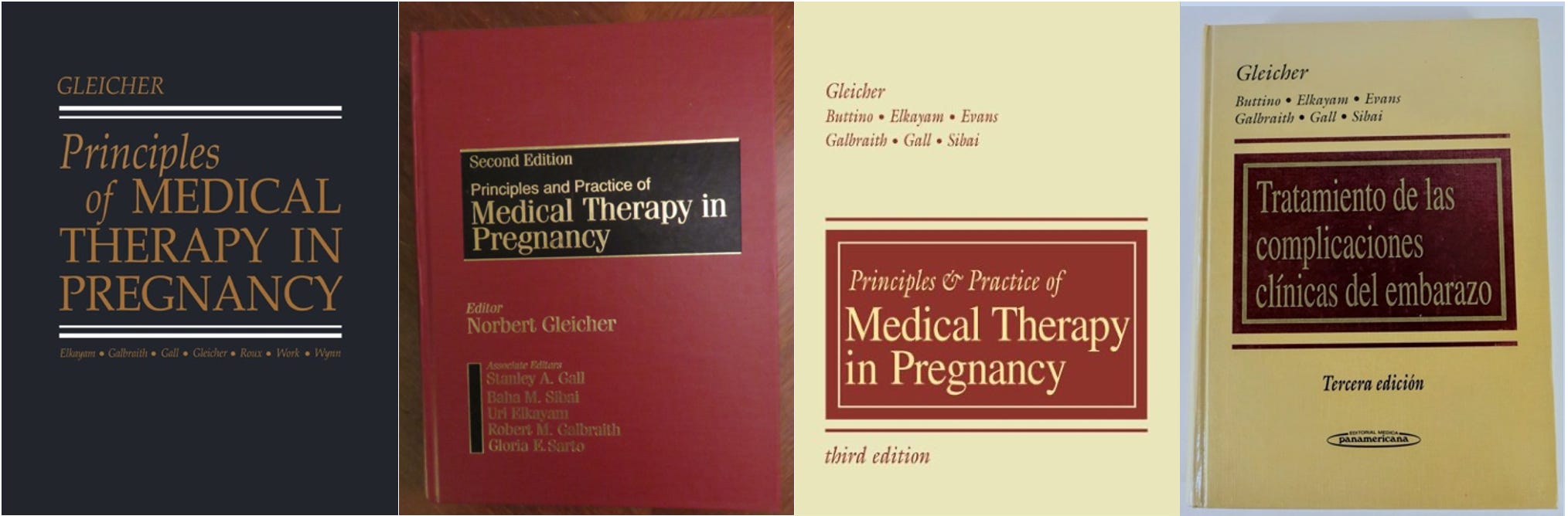
His clinical research interest was primarily medical problems in pregnancy, and he used to tell everybody who was willing to listen that the more complex a patient’s medical problem was, the more he liked to be involved. He, indeed, in those years published as editor two very famous textbooks which, to this day, even though after several editions no longer in print, are considered “classics.” One was called “Principle and Practice of Medical Therapy in Pregnancy” and was an encyclopedic textbook of medical problems in pregnancy (often also called “the Harrison of Pregnancy” after the most famous internal medicine textbook). It was also translated into Spanish and appeared as a paperback (see below).
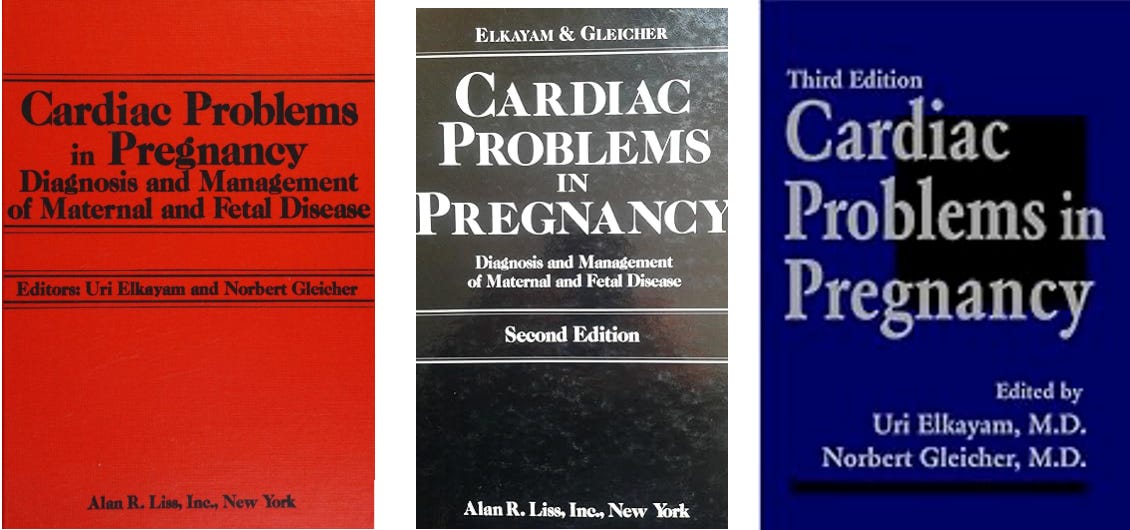
The other he co-edited—again in several editions—with his medical school colleague and oldest friend, Uri Elkayam, MD, professor of cardiology at UC Los Angeles, called “Cardiac Problems in Pregnancy,” with Elkayam responsible for the maternal side of the book and Gleicher for the fetal side. This book not only became “the bible” of pregnancy cardiology but also became the basis for Obstetrical Cardiology, being widely recognized as a subspecialty of cardiology.
STARTING THE FIRST IVF PROGRAM IN CHICAGO AND ALL OF THE MIDWEST— Upon assuming his position as chairman, Gleicher was looking for a way to make his department more visible in what then was considered the second-biggest city in the U.S. Chicago at that time did not yet have an IVF program. Indeed, the whole Midwest did not have an IVF program, and Gleicher saw this as an opportunity to put his new department on the map. With approval from the hospital administration and within the initially quite generous financial package the hospital had offered him for building up a rather week department in convincing him to move to Chicago, Mount Sinai ended up having the first IVF in all of the Midwest,¹ ² with much bigger OB/GYN departments at Northwestern, Michael Reese (then considered the leading infertility program in the city) and Rush Presbyterian—Sinais’s sister hospital within Rush Medical College—having to play catch-up.
Mount Sinai-Chicago, thus, practically overnight, joined an extremely small number of academic institutions in the U.S. that already had an IVF program (on a side note, none of the big academic university hospitals in NYC had an IVF program at that time, an IVF program either). NYC patients traveled either to the U.S. mothership of IVF clinics in Norfolk, VA (where Howard W. Jones, MD, and his wife Georgeanna Seegar Jones, MD, held court at the country’s first IVF clinic and Zeev Rosenwaks, MD, served as apprentice), or went to Yale University’s IVF program in New Haven, where Alan DeCherney, MD, had built a well-functioning IVF clinic. Moreover, IVF clinics had to be hospital-based because egg retrievals in those days were still performed in operating rooms through laparoscopies, with patients under anesthesia.
That, however, changed very rapidly due to the first major contribution of the CHR to IVF practice. As chairman of the department, Gleicher, though as of that point clinically not very interested in infertility practice, was, nevertheless, co-managing the establishment of the department’s new IVF program with its section chief, Jan Friberg, MD, PhD. Less than a year after starting the program, Gleicher had the idea of retrieving eggs transvaginal, using an abdominal ultrasound probe as a guide (vaginal probes as of that point did not exist). By August 1983, he and colleagues—in analogy with the earlier report of the world’s first IVF baby born in the U.K.—reported in the form of a research letter in the prestigious medical journal The Lancet, the first successful vaginal egg retrieval.²
Suffice it to say, vaginal egg retrieval radically changed IVF practice because it allowed IVF practice not only to move out of the operating room, but also turned IVF into an ambulatory procedure that could be performed outside of hospitals. And the subsequent switch from hospital to ambulatory care was profound because it, of course, also allowed for lower IVF costs.
IMPORTANT DISCOVERIES AT THE CHR— It was not only the REI division at Mount Sinai that had with Gleicher’s assumption of the chairmanship of the OB/GYN department become academically very visible. The other divisions also did well, especially the obstetrical division, which became a national pioneer in attempts to reduce Cesarean section rates. In a paper in the prestigious New England Journal of Medicine, the CHR’s investigators, indeed, reported a highly successful program, Mount Sinai-Chicago, that had found a quite simple way to achieve exactly that at a departmental level, even with a relatively large high-risk population.³
And in the same medical journal, gynecology and REI sections published together another very important paper which for the first time demonstrated that
(i) a certain amount of high-order multiple pregnancies—under at that time prevalent practice—was unavoidable in hyper-stimulated intrauterine insemination (IUI) cycles
and (ii) therefore concluded that only a switch from IUI to IVF cycles would prevent these high order multiples (now, of course, a widely accepted fact).⁴
Two major papers in two years in the New England Journal of Medicine were, of course, not a record many (if any) other OB/GYN departments at the time (and, frankly, ever since) ever accomplished!
But above-noted vaginal egg retrieval paper in The Lancet and above-noted New England Journal of Medicine paper on IUIs did not remain the only major new achievement of the department’s REI team at Mount Sinai: Indeed, as an outgrowth from discussions between Gleicher and Elkayam, the idea was born that, maybe, cardiac coronary artery ballon catheters could be used to recanalize obstructed fallopian tubes. And lo and behold, it worked, indeed, simple wire guides worked even better. And to the chagrin of tubal surgeons (since IVF pregnancy rates were still quite low, in those days tubal disease was still mostly treated with surgery before considering IVF), tubal catheterization procedures became a daily treatment at the CHR. Likely because of the obvious need for radiology equipment, while gaining popularity in radiology suits, unfortunately, tubal catheterization, however, never gained similar popularity among REIs.
After a first successful report in the American Journal of Obstetrics and Gynecology,⁵ Alan DeCherney (who loved to operate on fallopian tubes almost more than doing IVF) penned a, by now, rather infamous critique in Fertility and Sterility under the heading “Whatever I can do, you can do better,” arguing that the intramural cornual section of fallopian tubes was too narrow to allow passage of a catheter.⁶
He, however, deserves credit for not being dogmatic on the issue because when Gleicher later invited him (while still at Yale) to participate in a multi-center trial, he immediately agreed, becoming a co-author in a report in JAMA,⁵ and then even independently propagating the technique.
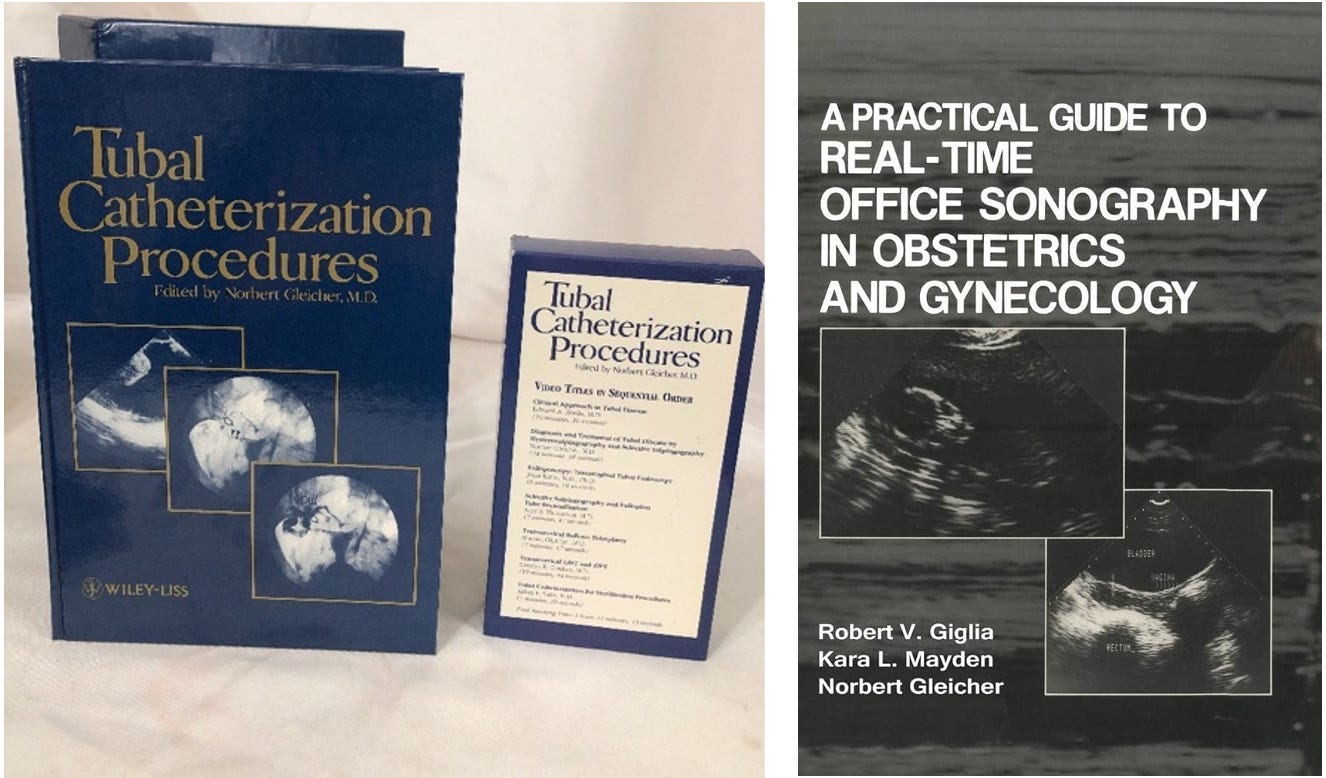
The CHR team, indeed, ended up publishing a detailed book of instructions (with videotape) on how to perform transvaginal tubal catheterization on fully awake patients under minimal sedation (see below). Performing hundreds—if not thousands—of these for several years, the CHR maintained its own leaded X-ray suite (with mobile C-arm) until IVF pregnancy rates became so good that IVF replaced not only most major tubal surgeries, but also tubal catheterization procedures after CHR investigators discovered (and, of course, reported) that re-occlusions after catheterization were quite high within six months. Concomitantly, the CHR also developed special expertise in real-time office sonography, as the publication of the book shown below attests to.
The CHR, to this day, has placed major emphasis on all diagnostic tools that can improve diagnostic accuracy and timeliness, including medical imaging, and, indeed, just recently filed another patent (with more to come) that involves ultrasound during follicle stimulation.
The CHR’s experience with tubal catheterizations demonstrates one very important lesson that not only applies to medical research but is probably universal: Progress does not stand still! Here, the CHR’s investigators introduced a radical innovation to fertility treatments, replacing major invasive surgery with a minimally invasive catheter procedure. Yet, even this new procedure was, ultimately, outperformed by IVF, rendering most catheter procedures in comparison ineffective and leading to the closure of the CHR’s catheterization lab.
And there are several additional lessons to learn from this experience:
(i) As new knowledge is developed, current medical practice is always time-limited.
(ii) Current practice, therefore, must be constantly reviewed for obsolescence.
(iii) Development of new knowledge must be followed closely.
(iv) As new clinical practices—as a component of progress—often are more efficient and, therefore, more cost-effective than older practices, they not infrequently may, indeed, reduce revenue for the provider clinic.
To consider this fact as an indication to maintain outdated treatments would be considered unethical.
Two relatively recent examples come to mind: First, closing the CHR’s catheterization lab initially was a big financial drain. It, however, was slowly compensated for by increasing numbers of IVF cycles. Second, the recognition that PGT-A actually reduces pregnancy and live birth chances for many patients, ethically mandates that the CHR would not recommend PGT-A for most of the CHR’s IVF cycles, significantly reducing IVF per cycle revenue in comparison to clinics that continue to use, and sometimes even mandate PGT-A.
This financial loss, of course, still continues to this day, but we can only assume that our decision, nevertheless, not recommend PGT-A, has significantly contributed to the CHR’s credibility as a worldwide leading fertility center, as reflected in the previously noted high ranking of the CHR on all AI platforms. And credibility is, of course, the most valuable currency an IVF center can receive, much more valuable than higher cycle fees.
Supported by The Foundation for Reproductive Medicine, The CHR’s Research Program in REI
Though the original plan had been to only help set up the IVF program at Mount Sinai and then go back to concentrating on obstetrical practice and immunology research, circumstances changed as Gleicher got caught up in the excitement of a very quickly advancing fertility field. Mostly because of IVF, REI practice within a few short years had gone from a “hocus-pocus” medical specialty without much scientific credibility to being the most exciting sub-specialty field in OB/GYN. By also encompassing embryo implantation and the mysteries of tolerance development, infertility practice moreover offered very exciting research opportunities in Gleicher’s primary research interest, reproductive immunology.
Over the second five years of his chairmanship at Mount Sinai-Chicago, Gleicher, therefore, progressively reduced his clinical and research involvement outside of REI practice, while in parallel, increasing his involvement with the “new” infertility field. But only once he decided to leave his chairmanship at Mount Sinai was he able to dedicate himself exclusively to this exciting new area of medical practice, now deservedly called REI in place of only “infertility.”
After 10 years as Chairman at Mount Sinai, Gleicher finally decided to leave his full-time academic position. Through some of the important research published by the CHR team in Chicago, Mount Sinai’s IVF program became well known nationally and internationally at a time when the field consisted of a very small group of first-generation REI investigators and clinicians. During this period, Gleicher was recognized as one of the specialty’s emerging thought leaders—a distinction later confirmed by The British Fertility Society when it awarded him the biannual honor of delivering the Patrick Steptoe Lecture, an honor reserved for IVF pioneers.
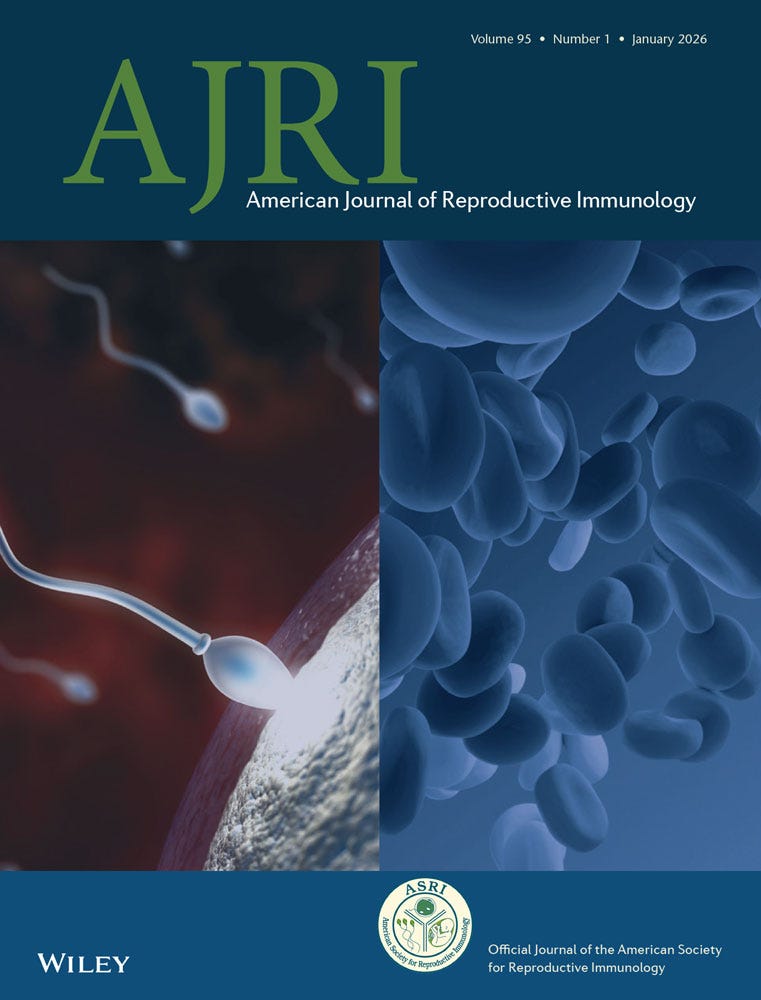
In addition to the position as Editor-in-Chief of the American Journal of Reproductive Immunology, he also had been appointed as the founding Editor-in-Chief of what initially was called the Journal of In Vitro Fertilization and Embryo Transfer and, shortly thereafter, at the urging of Yuri Verlinsky, PhD, then a brilliant Chicago-based geneticist and original proponent of PGT-A, was renamed the Journal of Assisted Reproduction and Genetics (JARG), as we know the journal to his day (see journal covers below).
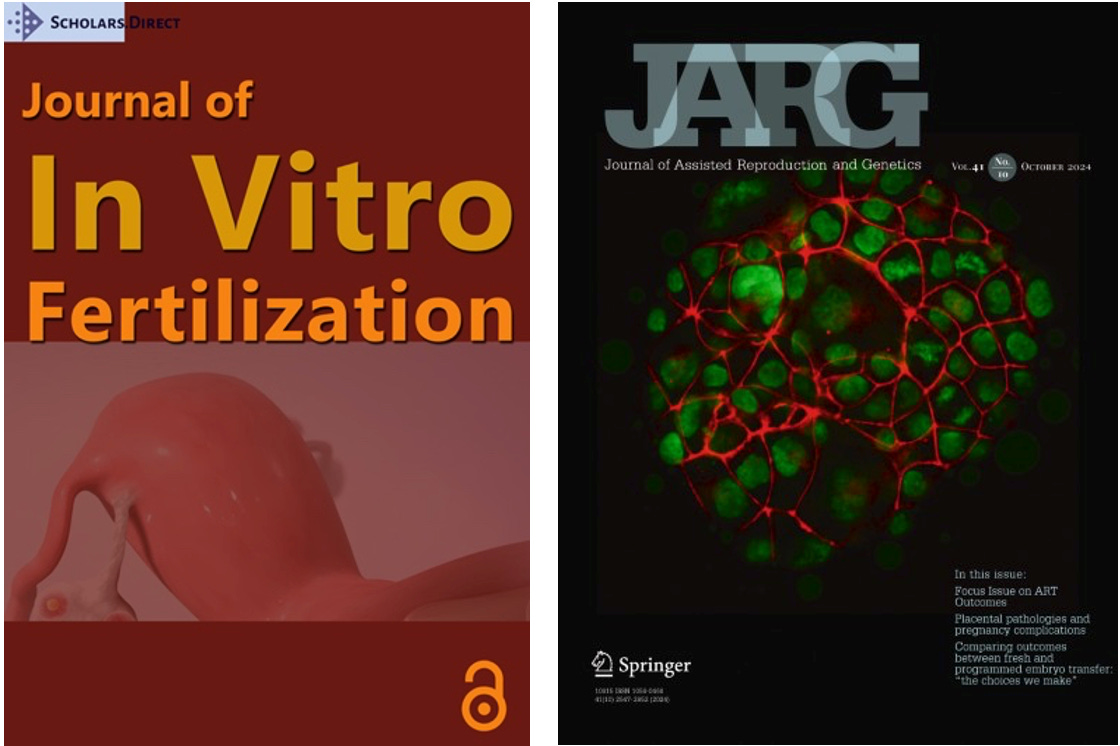
Members of the original editorial board of the IVF journal represented a true “who’s who” of the IVF field, ranging from Bob Edwards, PhD—who, together with Patrick Steptoe, MD, is considered a father of IVF following the birth of the first IVF baby and was later awarded a much-delayed Nobel Prize—to the above-noted Yuri Verlinsky, PhD, along with many other first-generation IVF experts.
Moreover, during those years, some of the most prominent figures in reproductive immunology served on the editorial board of the American Journal of Reproductive Immunology (AJRI). Among them were Alan Beer, MD, and Carolyn Coulam, MD—both true pioneers in the field who, regrettably, are now deceased—and who even joined the CHR team physically in clinical practice in Chicago.
Not wishing to disrupt what he had built within the OB/GYN department at Mount Sinai, Gleicher, upon resigning from his chairmanship, left the faculty structure behind—even though it was legally separate from the hospital—and took only one junior REI faculty physician with him. As it turned out, the hospital showed little interest in maintaining the off-campus IVF program, and Gleicher subsequently established it as the new home of CHR. At that point, CHR was no longer a multi-specialty general OB/GYN practice but had become a freestanding fertility center—a status it has maintained ever since.
Within 2 years following the separation from Mount Sinai, after several other fertility clinics joined the CHR, it had become by far the largest fertility center in Chicago and, by IVF cycle numbers, the second-largest in the country (after Boston IVF).
The CHR Moves to New York City
In the late 1990s, CHR was approached in Chicago by colleagues from two prominent New York–based academic institutions, both of which expressed strong interest in establishing a New York City–based CHR. Each group felt that, in order to remain competitive, it needed to move out of its hospital environment; however, neither institution was willing to provide the necessary funding to support such a transition.
After a decade-long relationship with a single academic institution in Chicago, CHR was understandably reluctant to repeat a similar experience. CHR was, however, willing to consider a CHR–NY—provided that both academic institutions agreed to join CHR as equal partners in establishing the new entity.
Both institutions ultimately agreed to a three-party (“trifecta”) center that would combine the IVF clinics and staff of the two academic programs with CHR’s infrastructure. CHR agreed to fund the build-out of a large, centrally located Manhattan space and to provide overall management, following its Chicago model, which had successfully integrated several previously independent IVF clinics. Contracts were signed, and construction of the new Manhattan facility began.
Midway through construction, however, one of the two academic institutions informed CHR that it was withdrawing from the signed agreement, citing that—despite having signed—the contract was not legally binding because it had not yet received formal approval from the institution’s Board. While this explanation was, at best, dubious, CHR understandably chose not to engage in a legal dispute with a large academic institution.
This development left CHR dependent on the remaining academic partner. Although Gleicher began commuting to New York one day per week, the collaboration ultimately failed to meet expectations. Approximately one year after the launch of CHR–NY, the parties separated, forcing CHR to confront a difficult decision: close the center—despite the substantial financial investment already made—or assume full clinical responsibilities in addition to administrative oversight.
CHR chose the latter. As a result, Gleicher returned to New York City after nearly 20 years in Chicago, splitting his time between the two cities almost weekly for the next three years. In 2003, the opportunity arose to sell CHR–Chicago, allowing him to relocate full-time to New York with his family.
Transitioning from a merger of two established IVF clinics—each with existing patient populations and referral pathways—to a newly founded IVF center without referral sources (at a time when the Internet was not yet a meaningful driver of patient traffic), the space originally built for CHR–NY proved far too large. Consequently, in July 2001, CHR relocated from its upper-floor high-rise setting to its current, much more intimate brownstone location just a few blocks away.
What Differentiates CHR’s Patients from Those of Other IVF Clinics?
Much has changed since those early years. From a fertility center without referral sources, CHR–NY has evolved into a referral destination for the most complex infertility cases—not only from the greater New York tristate area, but first from across the United States and Canada, and ultimately from around the world.
Today, CHR has effectively become a global “last-resort” fertility center. Table 1 below summarizes the truly unique characteristics of CHR’s current patient population.
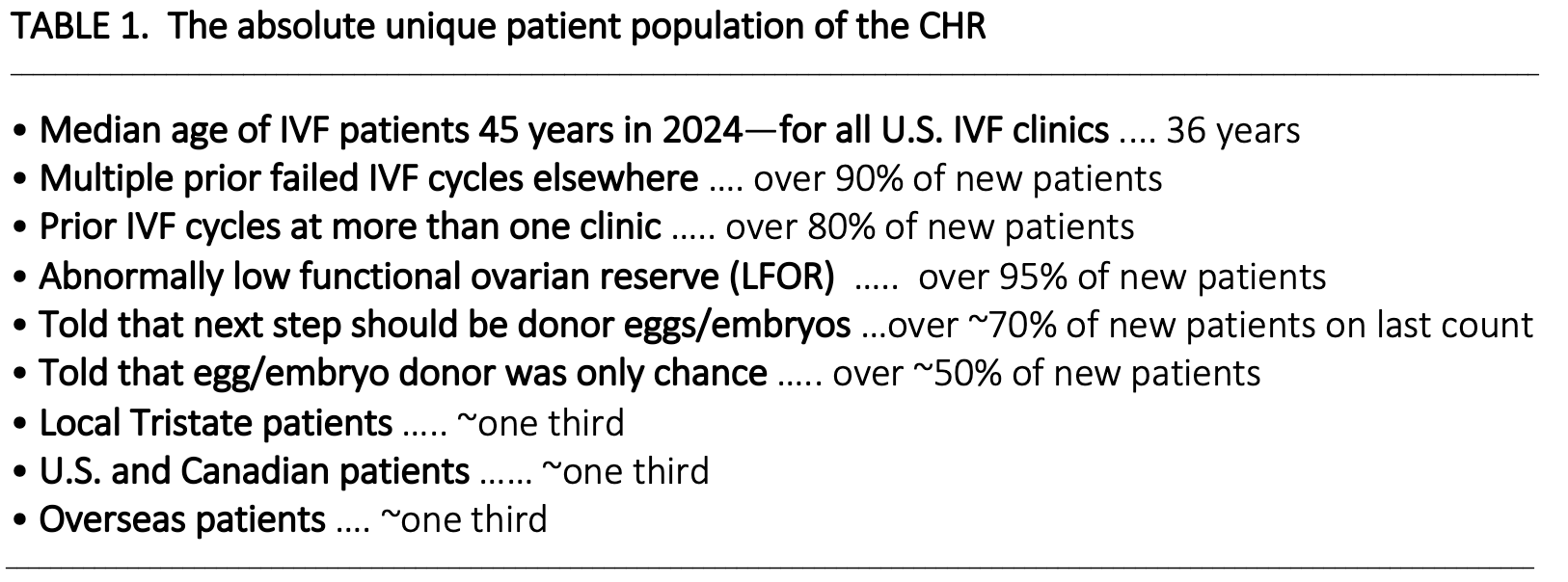
There is no other IVF clinic in the world that serves as unfavorable a patient population as the CHR. And, nevertheless, the CHR not only produces in these patients reasonable ongoing clinical pregnancy rates (when they usually are quoted probabilities of less than 5% and, often, of less than 2%), but, actually, these rates are steadily increasing, year by year (see the last 3 years below; data for 2025 are not available yet at the time of this writing).
In this kind of patient population, ONGOING PREGNANCY RATES increased by a full third over the last 3 years if women produced only at least 1 (!!) day-3 transferable embryo for transfer:
2022 - 8%
2023 - 10%
2024 - 12%
Considering the unusually advanced age of the CHR’s patient population and the patients’ other very adverse prognostic factors for treatment success with IVF (LFOR, large number of previously failed IVF cycles elsewhere, etc.), these are spectacularly excellent results, likely unmatched anywhere else in the world, explaining once again the CHR’s recognition by all AI platforms.
These numbers, however, also raise a very important question: How has the CHR accomplished this feat? And that is an interesting story in itself, worthwhile spending a few lines of text on: As already noted above, the CHR, since separating from Mount Sinai-Chicago, has been an independent, privately owned fertility center. This, however, does not mean that the CHR has not maintained relationships with academia.
To the contrary, after moving to NYC, the CHR had a relationship with NYU. When the Chairman at NYU moved to Yale University, the CHR’s affiliation switched to Yale, and once he left to become Dean of Ohio University, the CHR established a very close collaborative relationship with Rockefeller University, one of the nation’s most prominent research universities (with the largest number of living Nobel Prize winners in the world). And this relationship has not only lasted to this day, but has grown in importance over the years.
One may ask why a private fertility center puts so much emphasis on an academic affiliation, and the answer is simple: Because the CHR, even after separating from Mount Sinai-Chicago and Rush Medical College, has continued to be managed like an academic department in an academic institution. In practical terms, this means that every senior laboratory staff member and every physician is expected not only to expertly fulfill their clinical responsibilities but also to successfully conduct research and publish it.
In medicine, most people are either good scientists or good clinicians, but only very few people are very good at doing both. Excellent qualifications at both of these very divergent ends of infertility care have, however, always been and absolutely uncompromised demand at the CHR, explaining almost 600 peer-reviewed publications by CHR authors since the founding of the CHR in Chicago in 1981 (which basically means roughly 13 peer-reviewed papers per year on the average, a number most academic fertility divisions in even major university hospitals will have a hard time matching.
What Differentiates the CHR’s Treatments from Those of Practically All Other IVF Clinics?
To say it bluntly, if the CHR offered the same treatments as other IVF clinics, what would then be the purpose of coming to the CHR after multiple treatment failures elsewhere, often in multiple clinics? It is impossible to become a “last resort center” without offering different treatment approaches.
The CHR recognized this fact over 20 years ago, when the center’s leadership at that time concluded that, if the CHR—as a private, independent fertility center—wanted to grow in public recognition and outperform even academic institutions, it had to continue excelling in its research efforts. In surveying the at the time ongoing research at the CHR, it quickly became apparent that, in its thematic focus, it did not reflect the most important clinical needs of infertility practice. Already then, it was apparent, and, of course, year after year, it has become even more obvious, that advanced female age was becoming a quickly growing and increasingly underserved field of clinical practice in the infertility field.
The CHR at that point decided to make “the aging ovary” the center of its research as well as clinical practice. And something funny, but perfectly predictable, happened: As the CHR’s investigators in their research discovered important, previously unknown causes of infertility and/or physiological processes leading to infertility, and with it learned how to treat those, practice patterns at the CHR started to change. It was a slow process, with some discoveries adding just a little outcome advantage to an IVF cycle. But over time, a series of small outcome improvements in older and otherwise more difficult to treat patients added up and improved outcomes enough to give the public a strong reason to, especially after prior failures, choose the CHR as a treatment center ahead of often much bigger academic institutions. And as the CHR’s practice pattern continued to change and outcomes continued to improve, the center slowly turned into a “center of last resort,” exactly because its practice increasingly diverted from what was considered “the routine,” initially reaching only patients within the NYC Tristate area, then, however, also the rest of the U.S. and Canada and, over ca. the last 10 years, even worldwide, with local patients only representing approximately a third of the center’s current patient population.
When patients these days, therefore, ask, “what is the difference?” the answer is easy: practically everything!
Here is just a very brief summary of only the most important changes the CHR introduced to its infertility practice over the last 20 years, with many not picked up by other IVF clinics. And we, indeed, often wonder why that is, since the CHR follows a strict policy of always publishing what it learned and incorporated into its clinical practice in usually highly-rated peer-reviewed journals.
ANDROGEN SUPPLEMENTATION— It is possible to say that everything started with the recognition that in some older women, supplementation with dehydroepiandrosterone (DHEA) significantly improves IVF cycle outcomes. It, indeed, started with an older CHR patient who self-medicated with DHEA and months after month, demonstrated better egg and embryo yield without the CHR’s physicians understanding why.⁸ The CHR has since published over 40 papers on androgen supplementation in 20 years, and androgen supplementation has become a widely practiced routine in a large percentage of fertility clinics worldwide, though, unfortunately, many clinics have dosages and timing of treatment wrong and prescribe it blindly. It will obviously only work if a patient has abnormally low androgen levels! Most IVF clinics, however, to this day do not even test androgen levels in infertile women.
CONFLICT STATEMENT
The CHR holds several user patents in the U.S., claiming fertility benefits
In hypo-androgenic infertile women, when supplemented with androgens
including DHEA, for which it receives royalties from companies that claim
DHEA benefits for their products in establishing pregnancy. The CHR also
owns a share in a company called Ovaterra (a.k.a. Fertility Nutraceuticals, LLL)
and may, therefore, be biased in addressing androgen supplementation
in hypo-androgenic female infertility.
PREPPING THE OVARY FOR AT LEAST 6-8 WEEKS BEFORE IVF CYCLE START— It took some time for the CHR to understand why androgens were so useful and what they did (or actually failed to do when too low); but, once that was understood, it became clear that supplementation had to start at least 6-8 weeks before IVF cycle start because androgen levels were important for follicles at the small growing follicle stage between secondary and small antral follicle. But because these very small follicles still need considerable time before reaching the gonadotropin-sensitive stage when they start responding to gonadotropin stimulation, supplementation with DHEA must be started at least 6-8 weeks before the IVF cycle starts.
And the same thing also applies to supplementation with human growth hormone (HGH), which works on the ovary, synergistically with androgens and FSH, also at small follicle stages. Even though many fertility clinics sporadically use HGH, they only rarely use it correctly: Most patients who get this treatment really don’t need it because they have normal IGF-1 levels (HGH works through IGF-1). Most patients also just received it during IVF cycles or just started only a few short days before the IVF cycle started.
Prepping the ovaries before the IVF cycle starts follows the same principle as “cleaning out” an old car engine if one does not want to buy a new engine (except we cannot yet replace ovaries or make fresh follicles and eggs). Like making an old car engine run at its best, we, in this way, make older ovaries function at their best. One can only wonder why all IVF clinics don’t do this!
THE TIMING OF EGG RETRIEVAL— Since the inception of IVF over 40 years ago, follicles have uniformly been triggered (i.e., ovulated) with a shot of either human chorionic gonadotropin and/or gonadotropin agonist (GnRH). Based on the size of the leading follicle, usually just a few hours before these triggers would make them ovulate spontaneously (usually between 18-23mm). Approximately 11 years ago, this changed at the CHR when CHR investigators discovered that the speed of follicle maturation quickens as women (and in prematurely aged ovaries of younger women with premature ovarian aging, POA), requiring earlier and earlier trigger and egg retrieval.⁹ ¹⁰
This discovery led to a previously unimaginable change in IVF practice at the CHR, which, over several years of additional research, led to the recognition that in women at most advanced ages (45 or above), many patients sometimes have to be triggered as early as 6-10 mm lead follicle size. Imagine the consequences of this discovery: IVF cycles, which, over all these decades, on average required 9 days of stimulation with gonadotropins, now sometimes are triggered as early as 1 to 2 days after stimulation starts.
As a consequence of the very advanced age of our patient population and due to the fact that even most of the center’s younger patients present with POA, IVF cycles at the CHR now for already several years are only very rarely triggered at traditional follicle sizes of 18-23mm because if age is not taken into consideration their mature eggs overmature, a process resulting in “hard-boiled rather than soft-boiled” eggs and “hard-boiled” eggs will never result in a pregnancy. Yet, 99% of IVF clinics in the world still trigger routinely at 19-23 mm, even though we reported that this change in trigger timing does not result in more immature eggs. Who, therefore, can be surprised by the fact that most IVF clinics still send almost all of their patients over age 42-43 straight into third-party egg donation? A very prominent IVF clinic in NYC, indeed, at initial appointment booking asks potentially new patients whether they are agreeable to go straight into egg donation and declines appointments if the answer is no.
AGE-DEPENDENT RESCUE IN VITRO MATURATION (rIVM)— The “wisdom” of nature became once again apparent when CHR investigators studied more recently the process of so-called rIVM, the in vitro maturation of immature eggs overnight in the laboratory, which at the CHR has been routine for over 10 years,¹¹ while in the literature only during 2024 and 2025, finding some additional followers. But while colleagues are still struggling with this concept,¹² the CHR’s investigators made an additional, quite amazing observation in 2023 and reported it in iScience in 2023, demonstrating that the outcome of rIVM in very immature GV-stage oocytes, indeed, greatly improved with advancing female age.
While, indeed, rIVM has not been very successful in young patients (likely a reason why so few IVF clinics have been using the process), as women age not only does the percentage of oocytes that do successfully mature with rIVM increase to ca. 50%, but, concomitantly, mature MII oocytes actually significantly decline in their ability to mature, demonstrating the “wisdom” and intent of nature to have oocytes retrieved at earlier stages and smaller follicle sizes.¹³
Conclusions
As noted in the introduction of this article, the purpose of this article was to demonstrate how different today’s IVF practice at the CHR—especially in older women and in younger women with POA—is in comparison to practically all other IVF clinics in the U.S as well as the rest of the world. This could not be done without offering a historical background and explanation of the CHR’s practice philosophy. As a full-time academic practice founded in 1981 and, since its transformation into a rather unique private and independent fertility center in 1990 in Chicago and through its move to NYC 27 years ago, where we in July of 2026 will be celebrating 25 years in our current brownstone location, the CHR has maintained its unique philosophy.
The secret of the CHR’s success has not only been the consequence of the many important discoveries made by the CHR’s researchers over more than four decades, but—at least in our opinion—has been the philosophy of the CHR that one could not offer state-of-the-art fertility treatments without constantly and relentlessly striving for improvements (just look at Elon Musk!). And, to reemphasize a point steadily made in these pages over and over again over many years, progress requires patient-specific research. It has been difficult for us at the CHR for decades to understand why and how the infertility field over the decades has failed to understand that infertility, very obviously a very multifactorial disease, can be treated based on often unvalidated treatment protocols applied to everybody.
Obviously, the best example is, of course, female age. How is it possible that, after over 40 years of IVF practice, the world’s infertility practice still uses the same medications, more or less the same protocols, and assumes the same underlying physiological processes and pathologies in infertile women in their 20s and 40s?
As the CHR’s patient population over the decades dramatically changed, we therefore recognized the opportunity we were offered to become trailblazers in treating “older” ovaries, whether their advanced age was due to the patient’s age or POA. There, of course, are young women with older ovaries and older patients with “younger” ovaries than is expected (we on purpose do not use the term “normal’ because “normal” can encompass a considerable range).
And the process is continuing, as the CHR, now having started the transition to the next generation of scientists and physicians to lead the process into the next decades. The CHR’s research activities are only briefly and, therefore, rather superficially discussed here because of space restrictions; however, have not only addressed the aging ovary. Our interests go far beyond just this one subject, even though the aging ovary is still—and will remain—the dominant theme until we are able to manufacture new autologous oocytes and spermatozoa for our older patients (a process we are investigating with our colleagues at Rockefeller University).
The year 2025 has been a highly successful year for the center, with a record number of publications already accepted, not the least thanks to the contributions of the next generation of carefully selected staff members. Until publication, we are not at liberty to discuss the new findings, but at least one paper submitted (and not yet accepted), we believe, will, once again, change IVF practice in dramatic ways. As a patient of CHR, you, however, have likely benefited over the last year from this finding without even knowing!
References
Rutenberg S December 21, 1982. UPI. https://www.upi.com/Archives/1982/12/21/Midwests-first-test-tube-baby-center/4397409294800/#:~:text=By SHARON RUTENBERG, said at a news conference.
Gleicher et al., Lancet 1983;322(8348);508-509
Myers et al., N Engl J Med 1988;319(23):1511-1516
Gleicher et al., N Engl J Med 2000; 343(1):2-7
Confino et al., Am J Obstet Gynecol 1988; 159(2):370-375
DeCherney AH. Fertil Steril 1987; 48:374-376
Confino et al., JAMA 1990;264(16):2079-2082
Barad DH, Gleicher N. Fertil Steril 2005 84(3):756
Wu et al., Endocrinol 2015;226(3):167-180
Wu et al., J Ov. Res 2018;11(1):23
Lee et al., Endocrine 2026;52(1):165-171
Coticchio et al., Fertil Steril 2025; 123(5):749-785
Nichols et al., iScience 2023;28(8):107308